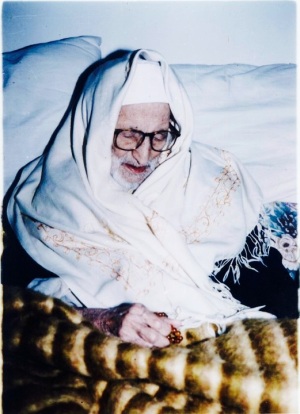
Posted by: Seeker Of The Sacred Knowledge | June 13, 2013

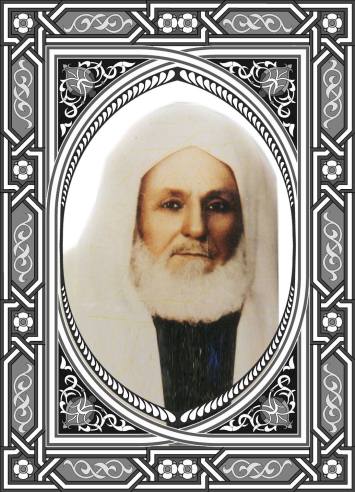
The Greatest Imam | Sayyiduna Imam al-Aa’zam Abu Hanifa Radi Allahu Anhu‏


The Greatest Imam Sayyiduna Imam al-Aa’zam Abu Hanifa Radi Allahu Anhu‏

The Greatest Imam [al-Imam al-Aa'zam] Abu Hanifa Nau’man Ibn Thabit Radi Allahu Anhu

Imam al-A’zam Abu Hanifa’s (Alaihir raHma) full name was Nuʿman ibn Thabit ibn Zuta ibn Marzuban. He was born in Kufa in Iraq in 80 A.H. He belonged to the pious period of the Taabi’in (Successors of the Sahaba).

DIVINE MISSION

It is stated in a Hadith Shareef which Imam al-Harizmi reported from Sayyiduna Abu Hurayrah (Radi Allahu Anhuma) that Sayyiduna Rasoolullah (SallAllahu Alaihi wa Sallam) said: “Among my Ummah, there will come a man called Abu Hanifa. On the Day of Resurrection, he will be the light of my Ummah.” Another Hadith Shareef states: “In every century, a number of my Ummah will attain to high grades. Abu Hanifa will be the highest of his time.” These two Ahadith are recorded in “Durr al-Mukhtar.”

EARLY LIFE

While still in his youth, he met great Sahaba like Sayyiduna Anas bin Maalik, Sayyiduna Sahl bin Saad and Sayyiduna Abul Tufail Amir bin Wathilah (Radi Allahu Anhum Ajma’een). Imam A’zam Abu Hanifa (Alaihir raHmah) was first brought up as a trader, but soon started taking deep interest in Islamic learning.

EDUCATION

He attended the lectures of Sayyiduna Hammad Basri (Radi Allah Anhu) in Fiqh and then began to study the Hadith. He learnt under great scholars in Kufa. In Basrah he studied under two great Taabi’ie scholars who had learnt Hadith under the Sahaba. In Makkatul Mukarammah and Madinatul Munawwarah, he learnt under Sayyiduna Ata bin Abi Rabah and Sayyiduna Ikramah (Radi Allahu Anhuma). In fact, Imam A’zam Abu Hanifa (Alaihir raHmah) had numerous teachers. Some historians say that he learnt Hadith from about 4000 scholars. Some of his famous teachers were:
 

Sayyiduna Imam Baaqir
Sayyiduna Imam Jafar Saadiq
Sayyiduna Ali
Sayyiduna Abu Hurayrah
Sayyiduna Abdullah ibn Mas’ud
Sayyiduna Abdullah ibn Umar
Sayyiduna Aqabah bin Umar
Sayyiduna Safwaan
Sayyiduna Jabir
Sayyiduna Abu Qatadah and etc. (Radi Allahu Anhum Ajma’een).

AS A TEACHER

When his teacher, Sayyiduna Hammad Basri (Alaihir raHmah) passed away, Imam A’zam Abu Hanifa (Alaihir raHma) was 40 years old and he began teaching. He became very famous and travelled many places. Students from all over the Muslim world came to him to listen to his lectures, interviews and debates. Imam Maalik (Alaihir raHmah) also learnt under him. When he was 56 years old, Caliph Mansur came to power after the Ummayad dynasty was overthrown by the Abbasids in 132 A.H. Since Imam Abu Hanifa (Alaihir raHmah) opposed the Caliph’s ruthless killing of the Ahle Bait, he was arrested. The Caliph offered the Imam the post of a Qaadi (Judge), but he refused. The Caliph Mansur had him beaten with a stick 30 strokes. His feet bled. Caliph Mansur repented and offered Imam A’zam Abu Hanifa (Alaihir raHmah) 30000 pieces of silver. The great Imam refused once more. He was imprisoned again and thrashed 10 more strokes every day.

PASSES AWAY

Imam A’zam Abu Hanifa (Alaihir raHmah) passed away while in Salaah. He had been poisoned by the orders of Caliph Mansur. His Janaza Salaah was performed six times and each time 50 000 people took part. People continued to come and pray for him for 20 days after he was buried. He was 70 years old. In 459 A.H. a Mazaar (Tomb) was built for him by the Seljuki ruler Alp Arsalan. He lies buried in a Tomb situated near Baghdad in Iraq.
 

STUDENTS

Imam A’zam Abu Hanifa (Alaihir raHmah) left behind about 980 students. The most famous among them being:
 

a. Sayyiduna Qadi Abu Yusuf (Alaihir raHmah)
b. Sayyiduna Imam Muhammed (Alaihir raHmah)
c. Sayyiduna Imam Zufur (Alaihir raHmah)
PERSONALITY

Imam A’zam Abu Hanifa (Alaihir raHmah) earned his living by trading. Every Friday, he distributed 20 gold coins to the poor for his parents soul. For 40 years Imam A’zam Abu Hanifa (Alaihir raHmah) performed the Fajr Salaah with the Wudu that he made for the Esha Salaah (ie. he did not sleep after the night prayer). He performed Hajj 55 times. He used to recite the entire Holy Quran once every day and once every night. Imam A’zam Abu Hanifa (Alaihir raHma) had so much of Taqwa (Piety) that for 30 years he fasted every day (except for the 5 forbidden days). He often read the Holy Quran in one rakaah or two. He did not accept any presents from anyone. He wore clothes like those of the poor. Imam A’zam Abu Hanifa (Alaihir raHma) once said: “I laughed once in my life and I regret it.” He talked little and thought much. It is said that at the place where his soul was taken, he read the Holy Quran 7000 times.

The Greatest Imam  Sayyiduna Imam al-Aa’zam Abu Hanifa Radi Allahu Anhu‏ 1


GREATNESS OF IMAM ABU HANIFA

Yahya ibn Sa`id al-Qattan said:
 

“We have not heard better than Abu Hanifa’s opinion and we have followed most of his positions.”
 Yahya ibn Ma`in, he said of Abu Hanifa that
 

“He is not only thiqa (trustworthy) but thiqa thiqa. Al- Dhahabi even calls Ibn Ma`in a fanatic Hanafi.”
Al-Fadl ibn Dukayn, one of the major authorities of Ahl al-Hadith. He said:
 

“Muslims should make du`a to Allah on behalf of Abu Hanifa in their prayers, because the Sunan and the fiqh were preserved for them through him.”
Waki` ibn al-Jarrah, he replied to some of them:
 

“You barred us from Abu Hanifa, are you going to bar us from Zufar??” (Zufar took over the teaching of Hanafi Fiqh in Kufa and Basra after the Imam.)
Abu Mu`awiya al-Darir, he said:
 

“Love of Abu Hanifa is part of the Sunnah”.

‘Abdullah Ibn Dawud al-Khuraybi:
 

“Among the people there are plenty of enviers and ignorant ones concerning Abu Hanifa. Anyone who desires to free himself of the humiliation of ignorance and desires to learn jurisprudence should study the books of Abu Hanifa”
Bishr al-Hafi, he said:
 

“None criticizes Abu Hanifa except an envier or an ignoramus”.
 Ibn al-Mubarak. When al-Awza`i criticized Abu Hanifa, Ibn al-Mubarak copied a compilation of Abu Hanifa’s fiqh under the name al-Nu`man. Al- Awza`i read it without interruption except for Salat al-Fard. Then he said:
 

“This Nu`man is a grand master (hadha nabilun min al-ashyakh). Go to him and take as much as you can from him!” Ibn al-Mubarak said: “This is the Abu Hanifa you had forbidden me to see.” (Tarikh al-Baghdad)
Ibn al-Mubarak considered one’s hatred of Abu Hanifa a mark of Divine wrath.

He also said:
 

“If Allah had not rescued me with Abu Hanifa and Sufyan [al-Thawri] I would have been like the rest of the common people.” Al-Dhahabi relates it as: “I would have been an innovator.”
Ibn `A’isha mentioned a fatwa of Abu Hanifa then said:
 

“Truly, if you had seen him you would have wanted him ! Truly, his similitude and yours is as in the saying:

Curse them much or not, I care little to blame you;
But fill – if you can! – the space they left vacant.”

Imam Malik (May Allah shower His mercy on him) says:

“In Islam, there are 60,000 utterances of Abu Hanifa, meaning that so many rulings of Jurisprudence are from him.”
After relating this Tradition, Imam Muwwaffaq (May Allah shower His mercy on him) relates the Tradition of a reliable narrator that

“Imam Azam Abu Hanifa (May Allah be well pleased with him) has written 83,000 rulings of which 38,000 are about worship and 45,000 are about affairs and dealings.”

It is also related that Imam Shafa’ee said that

The person who doesn’t study the books of Abu Hanifa cannot gain erudition in Jurisprudence (Fiqh).
Abu Ishaq says that

I pity those people who didn’t gain anything from the knowledge of Abu Hanifa.  These are the people who are bereft of Jurisprudence.
Yahya bin Atham says:

I heard from Wahb bin Jareer that he would say:  My father Jareer bin A’azim would exhort me to study the books of Abu Hanifa and he was among those who sat in the study circle of the Imam.
Muhammad bin Dawood says:

I once went to ‘Isa bin Younus and saw that books of Abu Hanifa are placed before him and he is reading them. I asked him:  Do you narrate on his authority?  He said:  I was pleased with him in his life.  Will I be displeased with him after his death?
Ma’aroof bin ‘Abdullah says:

Once, I was with ‘Ali bin A’asim.  He told his students:  You people acquire knowledge and jurisprudence.  We said:  That which we learn from you is not knowledge?  He said: Knowledge is the knowledge of Abu Hanifa.
Muhammad bin Sa’adaan says:

I, Yahya bin Ma’een, ‘Ali bin Al Madeeni, Ahmed bin Hambal and Zuhair bin Harb, etc. (all of whom are experts in Hadith) were sitting with Yazid bin Haroon.  A person asked him a question.  He said:  Go to the people of knowledge.  ‘Ali bin Al Madeeni said:  Shouldn’t he come to you?  Meaning he himself was also a man of knowledge.  Yazid bin Haroon said:  The men of knowledge are the associates of Abu Hanifa and all of you are musk-sellers.
‘Abdur Rahman bin Mahdi (May Allah shower His mercy on him) says:

Abu Hanifa is the Chief Justice among the scholars.
‘Abdur Rahman is that person whom Imam Dhahabi writes as “Hafidh Ul Kabeer” and “Alim Ush Shaheer”

Yahya bin Adam says that

When the incidents and rulings of Abu Hanifa were related before Hasan bin Sabah bin Hayy Al Hamadani, he would praise them.  Hasan bin Sabah was so meticulous in matters of religion that because of the irreligiousness of the rulers, he considered even the Friday Salaat as inappropriate.
Abu Numayla says:

Muhammad bin Talha told me: When you hear a saying of Abu Hanifa from a reliable person, rely on it, as his opinion is very firmly based on evidence.  These books of Jurisprudence in our hands are all those firm opinions of the Imam which have reached us through reliable people.
‘Abdullah bin Mubarak once told his students:

Accept Hadith after checking them and understanding them as they are your religion… Then he said:  When a reliable person relates the opinion of Abu Hanifa to you, accept it.
Abu Muslim asked Yazid bin Haroon:

What do you say about the books of Abu Hanifa?  He said:  If you want to gain jurisprudential acumen and understanding of religion, then study the books of Abu Hanifa.  I haven’t seen any Jurisprudent (Faqeeh) who considers it undesirable to study the books of Abu Hanifa.

 
One person said before Wak’ee bin Al Jarrah that Abu Hanifa made a mistake. Wak’ee scolded him and said:

The person who says anything like this is like an animal and even worse than them. Jurisprudents like Abu Yusuf and Muhammad were with him.  There were many Imams of Hadith, Arabic language and Imams of piety like Fudhail and Dawood Taai.  The one whose associates are like these can never make any mistake and even if he does make a mistake then these people will turn him towards the truth.
The names of the Imams mentioned here are only as an indication. Otherwise, there always used to be a huge gathering there.
 

GOLDEN WORDS OF WISDOM:

Knowledge without deeds is like a body without a soul. As long as knowledge does not embrace the existence of action it will not be enough not agreeable nor sincere.

Difficulties are the result of sin. The sinful therefore does not have the right to lament when difficulties befall him.

To reduce the connection of the World means that a person takes that which is essential from the World and leaves that which is non essential.

That person who seeks knowledge to attain the World finds that knowledge has no place in his heart.

That person whose knowledge does not prevent him from committing sin and transgressions then who is that person who has suffered or incurred a greater loss than him.

For the attainment of knowledge satisfaction is useful and satisfaction is not gained by increasing information but by decreasing it.

Mawlid an-Nabawi Sharif Celebrations at the Mosque of Imam al-Aa’dham Abu Hanifa Nau’man Ibn Thabit Radi Allahu Ta’ala Anhu in Aa’dhamiya, Baghdad Sharif, Iraq

Posted by: Seeker Of The Sacred Knowledge | June 11, 2013

Shaykh Mahdi Attibr Passes Away in Jeddah


Shaykh Mahdi Attibr Passes Away in Madinah Sharif

Bismillah …

Assalamu Alaykum Wa Rahmatullahi Wa Barakatuh , We pray this finds everyone well, wrapped in Allah’s mercy and steadfastly traveling the path to eternal felicity, in sha Allah.

News has reached us that The Erudite Scholar Shaykh ash-Sharif Mahdi Attibr has passed away in Jeddah. Inna lillahi wa inna ilayhi raji’un. May He give him to drink from the Basin of His Prophet (alayhi salat wa salam), that he may never thirst thereafter, and may He enter him into the highest gardens of Paradise! Ameen.

The Shaykh was considered to be the Qutb of Madinah Sharif and he used to reside in Madina Sharif then he had to move to Jeddah and He passed away there and his body is currently on its way back to Madina to be buried in al-Baqi.
al-Fatiha
Posted by: Seeker Of The Sacred Knowledge | May 31, 2013

Shaykh Muhammad Ziauddin Sabouni Passes Away


Shaykh Muhammad Ziauddin Sabouni Passes Away today

Bismillah …

Assalamu Alaykum Wa Rahmatullahi Wa Barakatuh , We pray this finds everyone well, wrapped in Allah’s mercy and steadfastly traveling the path to eternal felicity, in sha Allah.

The Erudite Scholar Shaykh Muhammad  Ziauddin Sabouni has passed away. Inna lillahi wa inna ilayhi raji’un. May He give him to drink from the Basin of His Prophet (alayhi salat wa salam), that he may never thirst thereafter, and may He enter him into the highest gardens of Paradise! Ameen.

The Shaykh was a Poet and the author of dozens of large works interpreting the Quran and he was the older brother of his Eminence Shaykh Muhammad Ali al-Sabouni Hafidahullah, the Shaykh passed away today after friday Prayers in Makkah Sharif, he will be buried in Jannatul Mualla.

Posted by: Seeker Of The Sacred Knowledge | May 15, 2013

Shaykh Ibn al-Jawzi visits Shaykh Abdul Qadir al-Jilani in Baghdad


Shaykh Ibn al-Jawzi visits Shaykh Abdul Qadir al-Jilani in Bagdhdad

Assalamu Alaykum Wa Rahmatullahi Wa Barakatuh , We pray this finds everyone well, wrapped in Allah’s mercy and steadfastly traveling the path to eternal felicity, in sha Allah.

We have written a short article on a meeting between Shaykh Ibn al-Jawzi and Shaykh Abdul Qadir al-Jilani Rahimahullah in Baghdad Sharif:

” Once Shaykh Ibn Jawzi attended a gathering of Shaykh Abdul Qadir al-Jilani Rahimahullah and one of his friends came with him, Shaykh Abdul Qadir al-Jilani realized that Ibn al-Jawzi was a great scholar, so Shaykh Abdul Qadir al-Jilani started speaking about the different Tafsir’s of the Quran because he wanted to change the views of Ibn al-Jawzi  about Tasawwuf so he put the real image of Tasawwuf in the mind of Ibn Jawzi.

A verse was recited he gave one explanation to it the friend of  Shaykh Ibn Jawzi said do you know this Tafsir ? he said yes this is a famous Tafsir of the verse for the same verse Shaykh Abdul Qadir al-Jilani gave a Second Tafsir then a Third Tafsir, Fourth Tafsir, Fifth Tafsir sixth , seventh , eighth , ninth he gave Eleven Tafsir’s to one verse every time he gave a Tafsir the companion of Ibn al-Jawzi asked him do you know these Tafsir’s, Eleven Tafsir’s he knew, The twelfth Tafsir that Shaykh Abdul Qadir al-Jilani gave Ibn al-Jawzi had never heard of it Thirteenth Tafsir, Fourteenth Tafsir, Fifteenth Tafsir, Forty Tafsirs Shaykh Abdul Qadir al-Jilani gave to one verse, they say the State of Ibn al-Jawzi had changed he was so impacted, this took him back, they say he stood up in Haal in Wajd (ecstasy) he said ‘La illah ila Allah Muhammad Rasul Allah’ and Ibn al-Jawzi ripped his clothes!”

Ibn al-Jawzi ripped his clothes because, he understood the true meaning of ‘Faqir’. May Allah grant us barakah in understandings as he has granted Ibn al-Jawzi .

- This incident is mentioned in Qala’id al-Jawahir (Necklaces of Gems) by Shaykh Muhammad ibn Yahya al-Tadifi al-Hanbali Rahimahullah

Posted by: Seeker Of The Sacred Knowledge | May 6, 2013

Clarity about the Maqam of Sayyiduna Hujr bin ‘Aadi (Radi Allah ‘anhu)


The Grave of the Sahabi Hujr ibn Adi has been desecrated In Syria 1

Clarity about the Maqam of Sayyiduna Hujr bin ‘Aadi (Radi Allah ‘anhu)

It has been suggested that Sayyiduna Hujr bin ‘Aadis (Radi Allah ‘anhu) body was dug up from his grave and buried somewhere else by a group of Salafi-hoodlums. There is also a picture floating around on the web suggesting it is of his blessed body. Both of this assertions are false, and have no basis in reality.

A big Facebook group (25 000 followers) belonging to Shiites from Tunisia published the following statement today:

تنبيـــــــــــــه :

انتشرت اليوم في أغلب الصفحات الشيعية صورة نقلها ارهابيوا سوريا عل انها صورة مسربة لجثمان الصحابي حجر ابن عدي الذي نبش قبره التكفيريون ….

ونحن ناكد لكم ان هذه الصورة قديمة جدا ومركبة وليست لحجر ابن عدي عليه السلام وانما تشبه صورة المجاهد عمر المختار الليبي الذي شنقه الاحتلال الايطالي

كما ان الارهابيين اعترفوا انهم لم يصلوا الى جثمان حجر ابن عدي لان القبر كان عميقا جدا وذلك لتراكم ترسبات الارض عليه عبر السنين

نرجوا النشر والتعميم لتتوضح الصورة للجميع فحجر ابن عدي لم ينقل جثمانه لاي مكان وشكرا لكم ……

In short: “Many Shiite websites have spread a picture supposedly of Hujr bin ‘Aadi. We confirm to you that this picture is old and is not of Hujr bin ‘Aadi. [..] The terrorists themselves admitted that they couldnt reach the body of Hujr bin ‘Aadi because the grave is very deep.”

Source: https://www.facebook.com/photo.php?fbid=491742004226493&set=a.144107765656587.29075.144106992323331&type=1&theater

I have managed to find out that the picture is the product of a screenshot taken from a video produced by the opposition activists. The logo on the left top corner says, “الغوطة الشرقية”

Here is the supposed picture of the Sayyiduna Hujr bin ‘Aadi (Radi Allah ‘anhu):

http://sphotos-h.ak.fbcdn.net/hphotos-ak-frc1/p480x480/577536_456447457764885_558926104_n.jpg

Here is an example of a video where one can find the same logo:

http://www.youtube.com/watch?v=vZgDPU000Do

“You can easily conclude that the picture to begin with isnt a picture, it’s a screenshot taken from a video produced by the opposition activists.”

The Facebook-page of one of those who have taken a photograph of himself next to the destroyed maqam wrote as a comment on his despicable picture that he couldnt find anything in the grave [I visited his page and read this comment myself, which also is confirmed by the statement of the Tunisian Shiites]. He has removed (or disabled) his account after all the condemnations.

Here is the link (which doesnt work anymore because his FB-page is gone):

https://www.facebook.com/photo.php?fbid=362664440517120&set=pb.100003207016481.-2207520000.1367625338.&type=3&theater

In other words: The first assertion that the body was dug up and buried some place else is completely false. And this new assertion that the picture is of Hujr bin ‘Aadi is also false. ”It is another example of Neo-Safavid propaganda.”

Conclusive evidence showing that the supposed picture of Sayyiduna Hujr bin ‘Aadi (Radi Allah ‘anhu) is in fact a princtscreen of a video produced by the opposition. The man in the video was martyred by regime warplane 2013 05-01:

Sidi Mohammad Khalil

Posted by: Seeker Of The Sacred Knowledge | May 5, 2013

Haji Jamil Dayi al-Naqshabandi Passes Away


Haji Jamil Dayi Passes away

Bismillah …

Assalamu Alaykum Wa Rahmatullahi Wa Barakatuh , We pray this finds everyone well, wrapped in Allah’s mercy and steadfastly traveling the path to eternal felicity, in sha Allah.

The Erudite Scholar Haji Jamil Dayi passed away yesterday in Cyprus. Inna lillahi wa inna ilayhi raji’un. May He give him to drink from the Basin of His Prophet (alayhi salat wa salam), that he may never thirst thereafter, and may He enter him into the highest gardens of Paradise! Ameen.

The Shaykh was the oldest murid of Mawlana Shaykh Nazim al-Haqqani from Cyrpus.

Posted by: Seeker Of The Sacred Knowledge | May 3, 2013

Confirmed: Who desecrated the Grave of the Sahabi Hujr ibn Adi In Syria


Who desecrated the Grave of the Sahabi Hujr ibn Adi In Syria

Bismillah …

Assalamu Alaykum Wa Rahmatullahi Wa Barakatuh , We pray this finds everyone well, wrapped in Allah’s mercy and steadfastly traveling the path to eternal felicity, in sha Allah.

It has been confirmed that the Wahabi Adnan ‘Arours group Liwa’ al-Islam was behind the destruction of the Maqam of the Sahabi Sayyidina Hujr ibn Adi Radi Allahu Anhu in Syria.

Our Previous Article ‘The Grave of the Sahabi Hujr ibn Adi has been desecrated In Syria’

http://seekerofthesacredknowledge.wordpress.com/2013/05/02/the-grave-of-the-sahabi-hujr-ibn-adi-has-been-desecrated-in-syria/


In The Arabic Language:

بعد تضارب الأنباء التي وصلتنا والتي نشرناها البارحة عن الفاعل الحقيقي لجريمة نبش قبر الصحابي حجر بن عدي الكندي رضي الله عنه قمنا بتحقيق وتحليل يكشف عن هوية الفاعل بالأشخاص والانتماء وتبين لنا مايلي:

أولاً: قد نشرنا في ٣١ _٣_٢٠١٣ صور للمجرمين والمنشور لايزال موجود على أرشيف صفحتنا بذلك التاريخ، ولم نستطع التأكد آنذاك من هوية صاحب القبر ولم يجرؤ هؤلاء من الإفصاح عن هوية القبر الذي نبشوه.

ثانياً: نؤكد لكم مما تبين لنا أن المجرمين هم للأسف من لواء الإسلام المحسوب رسميا على عدنان عرعور، وبناءً عليه نطالب شيخهم عدنان عرعور بتوضيح موقفه الشخصي علناً ونحمله مسؤولية الفعل إن لم يظهر علناً ويقدم هؤلاء المجرمين للمحاكمة ونطالبه مبدأيا بفصل هؤلاء ومن ساعدهم بالعملية من اللواء وإلا فنحمله المسؤولية الكاملة عن تسببه بشق الصف والمسؤلية الكاملة عن أي فتنة بسبب موقف اللواء العدائي من أهل السنة المشكلين الغالبية العظمى في سوريا

ثالثاً: : نرفق لكم صورالأشخاص التي نشرناها في ٣١_٣_٢٠١٣ والتي أخذناها من صفحات هؤلاء الشبيحة الشخصية على الفيسبوك بالمقارنة مع الصورة الحديثة النشر ويظهر بشكل واضح صور الرخام نفسه في خلفيات الصور كما يظهر غطاء القبر الأخضر نفسه، كذلك يظهر في زاوية المدفن صورة لمبرد لونه أبيض فضلاً عن باقي الأشياء المتناثرة والمطابقة لتلك الصور التي التقطوها لأنفسهم وتفاخروا بها بين رفاقهم على صفحاتهم الشخصية.

الصور على اليسار مأخوذة من صفحة هؤلاء الشبيحة التابعين للواء الإسلام والصور على اليمين صور نشرتها المواقع مؤخرا بعد تصويرهم للمكان

رابعاً : يؤكد صاحب الحساب المدعو وزير أنس أبو براء والعامل في لواء الإسلام القيادة العامة لما سأله رفاقه عن موقع القبر فقال: قرب ريف دمشق ولم يفصح عن اسم صاحب القبر لكي لايتبناه رسمياً علماً أنه قد سئل على الخاص عدة مرات ورفض الإجابة، كما يظهر معه

خامساً: ندعو باقي علماء ومشايخ الشام وباقي الهيئات الشرعية كرابطة علماء الشام من التصديق على ما أتينا به لإرسال رسالة واضحة لمثل هذه الأفاعيل الغريبة عن بلدنا

ملاحظة: هذا الكشف خاص بصفحة الثورة الصوفية، صفحة إعلامية مستقلة لاتتبع لأي جهة ومتواجدة من بداية الثورة السورية

Photos of the Blessed Maqam and Grave before and after it was destroyed and the grave dug up:

This slideshow requires JavaScript.

Posted by: Seeker Of The Sacred Knowledge | May 2, 2013

The Grave of the Sahabi Hujr ibn Adi has been desecrated In Syria


The Grave of the Sahabi Hujr ibn Adi has been desecrated In Syria 1

Bismillah …

Assalamu Alaykum Wa Rahmatullahi Wa Barakatuh , We pray this finds everyone well, wrapped in Allah’s mercy and steadfastly traveling the path to eternal felicity, in sha Allah.

The Grave of the Sahabi Sayyidina Hujr ibn Adi Radi Allahu Anhu has been desecrated In Syria and his grave has been dug up and his blessed body has been stolen.

Confirmed: Who desecrated the Grave of the Sahabi Hujr ibn Adi In Syria?

http://seekerofthesacredknowledge.wordpress.com/2013/05/03/confirmed-who-desecrated-the-grave-of-the-sahabi-hujr-ibn-adi-in-syria/

In the Arabic Language:

بيان بخصوص تهديم ونبش قبر الصحابي الجليل حجر بن عدي الكندينتقدم بالعزاء لأهل السنة والجماعة بتهديم أعداء الله ونبش قبر الصحابي الجليل حجر بن عدي الكندي ثم نأسف بسبب جهل بعض أدعياء الثورة كما ورد بصفحة تنسيقية عدرا البلد و ما حولها : الثورة السورية في ريف دمشق مايلي: ”هذا مقام حجر بن عدي الكندي : احد مزارات الشيعة في عدرا البلد قام ابطال الجيش الحر بنبش القبر و دفنه بمكان غير معروف و بعد أن اصبح القبر مركز للشرك بالله … الحمد لله والله ينصر ابطال الجيش الحر”نقول كم جهلتم بنسبتكم حجر بن عدي ابن جبلة بن عدي بن ربيعة بن معاوية الأكرمين بن الحارث بن معاوية رضي الله عنه للشيعة وإن أحبوه فإن ذكر أنه من شيعة علي رضي الله عنه في كتب الحديث فؤلائك الشيعة كانوا أهل سنة ولم يكونوا روافض كحال من يتسمى زورا بالشيعة اليوم? ثم كيف تتصورون أن يتحصل النصر بهذه الأعمال المخالفة للشرع الإسلامي? فلايوجد قبر في العالم الإسلامي مركزاً للشرك إلا في العقول المتعفنة التي ملئت غباءً وجهلاً بأسس الشريعة الغراء!وإنا نحمل مسؤولية هذا الفعل لنظام بشار المثير للفتن ولانسبتعد أنه هو الفاعل والمستفيد الأكبر من هذا العمل، ثم نؤكد أننا ننزه جيشنا الحر عن مثل هذه الأفعال النكراء فمن يفعل هذا الفعل ليس حراً بل أسيراً لحمق وجهل وفكر قميئ غريب عن مجتمعنا المتسامح المحب لرسول الله ولأصحابه الكرام رضي الله عنهم أجمعين ونسأل الله أن ينتقم ممن يؤذيهم في الحياة وبعد المماتكما وندعو المجلس العسكري بريف دمشق بفتح تحقيق للتأكد من هوية المجرمين الفاعلين ونطالب الهيئات الشرعية تقديمهم للقضاء فوراًوسيعلم الذين ظلموا أي منقلب ينقلبون

٢_٥_٢٠١٣

Photos of the Blessed Maqam and Grave before and after it was destroyed and the grave dug up:

This slideshow requires JavaScript.

Posted by: Seeker Of The Sacred Knowledge | May 1, 2013

The Crown of the Muslim Jurists – Shaykh Abd al-Haq Bandyalwi from Pakistan


The Crown of the Muslim Jurists - Shaykh Abd al-Haq Bandyalwi from Pakistan

The Crown of the Muslim jurists – Shaykh Abd al-Haq Bandyalwi Hafidahullah from Pakistan:

“Taj al-Fuqaha” (crown of the Muslim jurists), Allamah Shaykh Abd al-Haq Bandyalwi is perhaps the “greatest accepted scholarly authority” alive among the Ahl al-Sunnah circles of ulama today in Pakistan. At the age of ninety (90) he beholds the oceans of ulum and irfan of his honourable father “Faqih al-Asr” (most prominent jurist of his era) Yar Muhammad Bandyalwi فقيه العصر استاذ العلماء العلامة يار محمد بنديالوي (d. 1947CE) who was the teacher of the most remembered and accepted master of the Islamic and rational sciences, ” malikul Ulama” (King of the ulama) Shaykh Ata Muhamad Bandyalwi ملك العلماء عطا محمد بنديالوي (d.1991CE) and grand-student of Allamah Fazle- Haq Khayarabdi (1857CE) رحمهم الله اجمعين.

Those aware of the scholarly isnad traditions (student teacher links) of Pakistan are aware that the Madrasah of Bandyal (District Khushab, Punjab) is the flag-bearer of Allamah Fazl-e Haq Khairabadi’s (d. 1857CE) silsilah of khayrabadiyah in teaching. It has produced an overwhelming number of major ulama over the past 100 years (it was established by Allamah Yar Muhammad in 1910CE) around two hundred 200 of which became the greatest teachers of Pakistan imparting Islamic sciences and issuing Fatwa such as Sharih Bukhari Allamah Ghulam Rasul Rizvi, Peer Muhammad Chishti, Allamah Ghulam Rasool Saeedi, Allamah Abd al-Hakeem Sharaf Qadri (one of my teachers), Allamah Ghulam Muhammad Tonswi (under whom I am studyied), Ghulam Muhammad Sharaqpuri, Justice Peer Muhammad Karam Shah etc. All of the major sufiya and peer sahibs of Pakistan would send their sons to the Madrasah of Bandyal to attain the Silsilah Khayrabadiyah (link to Allamah Fazle Haq) and that’s why we find major personalities of Sayyal Shareef, Golra Shareef, Baseerpur shareef, Sultan-e-Bahu Jahng Shareef (Pir Sultan Mu’azzam) are students of the Madrasah Bandyal.

Allamah Abd al-Haq Bandyalwi, the living blessing of this Silsilah Khayarabadiyah, is a full-fledge accomplished teacher of all of the transmitted and rational sciences, those taught and hidden. He studied under his honourable father, then under “Malikul ulama” Ata Muhammad Bandyalwi, “Muhaddise Azam Paksitan” Allamah Sardar Ahamd Qadiri and Allamah Muhammad Deen Badhoowale (the last was also the teacher of majors such as Huzur Shaykh al-Islam Shah Qamarudeen Siyalwi and Hazrat Sayyid Zubayr Shah of Chakwal). The Shaykh’s taqwa & wisdome is visible from far and his knowledge and examination of the ulum has been the subject of hundreds of ulama for years. There is no doubt that he is a living sign of our noble predecessors and a walking encyclopaedia of the sciences. 

Alhamdulillah, with the kind duas offered by my parents and teachers, the Shaykh accepted me and my colleague Allamah Sayyid Gazanfar Shah Sahib of Shahdarah Lahore, among his smallest students at Madrasah Bandyal on Sunday 11th March – 17th Rabi al-Thani 1433H last year. Allahu akbar! He recited to us the beginnings of the Hadith compilation “Mishkat al-Masabeeh” and bestowed us with jubbahs and khilafat in his private gathering. 

The Silsilah Khayrabadiyah (from below to the top):

4. Allamah Fazle Haq Khayrabadi (Rahimahullah)
3. llamah Hidayatullah Jawnpuri (Rahimahullah)
2. Faqih al-Asr, Yar Muhammad Bandyalwi (Rahimahullah)
1. Huzur Sayyidi Taj al-Fuqaha, Abd al-Haq Bandyalwi (hafizahullah)

This pathway links me to Allamah Fazl-e-Haq Khayrabadi through only 3 people, alhmadulillah, the shortest possible chain at the moment. I was blessed with khilafat (permission) in the the silsilah Saabriyyah Chishtiya of Haji Imdadullah Makki through the Shaykh linking me to the honourable legend through only 2 people which is also the shortest possible link today. 

May Allah Almighty make this ijazah an opening for me in the Divine Court, bring me closer to the Noble Habeeb SallalAllahu alayhi wa sallam and reflect its tajalliyaat and barakaat in my life and hereafter, ameen. May all the friends of Allah Almighty be rewarded the best of rewards. May we all be granted the love, adab and ishq of the awliya, ameen.

Attached is a picture of our majlis with the Shaykh at the Madrasah of Bandyal (Tajul Fuqaha, Abdul Haq Bandyalwi, may Allah Almighty preserve him).

- Shaykh Monawar Ateeq Hafidahullah

Posted by: Seeker Of The Sacred Knowledge | April 27, 2013

Shaykh Sayyid Hamid al-Haddad Passes Away


Shaykh Sayyid Hamid al-Haddad Passes Away

Bismillah …

Assalamu Alaykum Wa Rahmatullahi Wa Barakatuh , We pray this finds everyone well, wrapped in Allah’s mercy and steadfastly traveling the path to eternal felicity, in sha Allah.

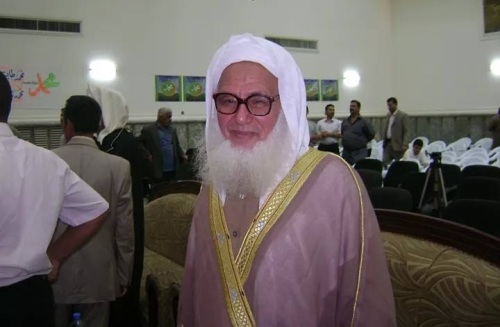
The Erudite Scholar Shaykh  Sayyid Hamid al-Haddad Passed Away on friday in Jeddah. Inna lillahi wa inna ilayhi raji’un. May He give him to drink from the Basin of His Prophet (alayhi salat wa salam), that he may never thirst thereafter, and may He enter him into the highest gardens of Paradise! Ameen.

Shaykh Sayyid Hamid al-Haddad, was the son of Habib Ahmad Mashur ibn Taha al-Haddad Rahimahullah.

Who was the Great Shaykh Habib Ahmad Mashur Ibn Taha al-Haddad Rahimahullah?

Al Habib Ahmad Mashhur bin Taha Al-Haddad, was one of the most powerful Alawi influences in East Africa and is generally considered to have been the “Renewer” of Islam in those parts.  He was born in the town of Qaydun, one of the towns of Hadhramawt, in the year of 1325 H (1907).  He was raised up in the bosom of ‘ilm and taqwa and righteousness by his mother, the virtuous and saintly Safiyya, daughter of the great Imam Taher ibn Umar al-Haddad, from whom she received her instruction in the Quran and religious sciences.

His early education was taken over by another two great masters of the house of Al-Haddad, Habib Abdallah and Habib Alawi, the two brothers who founded the Ribat of Qaydun, the school of religious sciences where Habib Ahmad was soon to become, at an early age, a teacher.  Then he joined the Ribat at Tarim and studied under the firmly established Master as well as its ulama’.

Knowledge in Islam must be supported by unbroken chains of transmission to the Prophet, may God’s blessings and peace be upon him.  Those who receive one or more sciences or part thereof from a master and are considered by him worthy, receive the ijaza, the authorisation to transmit it, in their turn, to others.  Habib Ahmad, as has always been the Alawi custom, sought to receive the ijaza from as numerous master as was possible.  Habib Ahmad learned from dozens of shaykhs in Hadramawt, the Hijaz, Indonesia and East Africa.  As for the Shaykh under whose tutelage he attained his spiritual unveiling, he was al-Imam ar-Rabbani Ahmad bin Muhsin al-Haddar.

He travelled to Indonesia to add to his sum of knowledge and supplement his heart-to-heart and soul-to-soul corpus of ma’arif from the firmly established Masters who were there.  He also went there for the purpose of trade so that he may thereby gird his integrity.  However, his stay there did not last long.

In the early 1350’s H (1931) he settled in Mombasa, the major seaport of Kenya. In addition to his business affairs, he held study circles in mosques as well as at his own home.  By the grace of Allah, he climbed up the African firmament as a luminary amongst its luminaries, a leader, a guide, a reconciler, a religious and social eminence.  People gathered around him and turned up in large numbers to listen to his distinguisheddarsas.  He was the ultimate authority to whom people turned in matters of religion and Shari’a.  He extinguished a lot of innovations and quickened to life a lot of Sunnas.

He took innumerable trips to the villages in the Kenyan bush, calling the tribes to Islam.  His fame spread across all of East Africa and he was soon to become known simply as “Habib”.

In 1375 H (1955). he moved to Kampala in Uganda where he was to stay for 13 years.  Eventually, he gave up commerce and devoted himself exclusively to teaching and calling people to Allah.  Many African youths benefited and graduated from his school and went on to become Qadis, teachers and caller-unto-Allah.  He himself also went into the bushes and forests that he may call people unto Allah – he travelled to Uganda, Congo, Tanzania and to other East African countries, as a caller unto Allah, as a guide.  He succeeded in building many mosques and schools. Countless idol worshippers and Christians embraced Islam at his hands.

Habib Ahmad’s work in Kenya and Uganda led to a massive increase in the number of Muslims.  He was a tireless teacher and all those who wanted knowledge, baraka, advice, or comfort flocked to his house.  Arabs, Indians and Africans in their thousands came to him and benefited from his knowledge and the light radiating from his presence and also from his du’a.

Habib Ahmad Mashhur was amongst servants of Allah who singled themselves to exclusively serve Allah, preserve the awrad and the Sunna and the supererogatory prayers.  He would not fail to rise for tahajjud, both when at home and away; he walked in the footsteps of his ancestors, he was their very replica in their conduct a living exemplar of how the Prophet’s Sunna is to be lived.  Every movement, every word, every smile immediately evoked the radiant presence of the Prophet r.  None looked at him without remembering God.  His awesome dignity imposed courtesy on his visitors and excluded frivolity, yet his gentle, gracious manners and equal respect for everyone soothed their hearts and made them forget their trouble and experience the serenity and joy of being accepted by one so close to God and His Messenger.

Then towards the end of his life, he took to commuting between Africa and the two Sacred Places.  When old age overwhelmed him and his strength weakened he resided in Jeddah amongst his people and children.  He was an open house for guests of all walks of life because in him they found the righteous murshid and a sincere guide and an erudite scholar.  They partook from him the aroma of ma’arifah and sainthood and divine secrets.  He continued with his virtuous works until the decisive writ came down to meet him and he journeyed to meet the Ever-Living, the Self-Sustaining

Al-Habib Ahmad Mashur Al Haddad passed away on Wednesday 14 Rejab 1416 (7 December 1995 M) at the age of 87. His life had been in complete service to Allah in all its total manifestation.  He was buried at Ma’la, at Mekah Al Mukarammah.


اللهم انشرنفحات الرضوان عليه وإمدنا بالأسرار التي أودعتهالديه

. اللهم صل وسلم على جده النبي الأمين سيدنا محمد وعلى آله وصحبه أجمعين 

الفاتحة إلى حضرة النبي محمد صلى الله عليه وآله وسلم وإلى روح سيدنا الحبيب أحمد مشهور بن طه الحداد وأصوله وفروعه وتلامذته والمنتسبين إليه أجمعين، أن الله يعلي درجاتهم في الجنة ويكثر من مثوباتهم ويضاعف حسناتهم ويحفظنا بجاههم وينفعنابهم ويعيد علينا من بركاتهم وأسرارهم وأنوارهم وعلومهم ونفحاتهم في الدين والدنيا والآخرة – الفاتحة

The above article had been copied and recompiled from The Introduction in the book “Key To The Garden” by Mostafa Al-Badawi and also from the article by Sayyid Abdal Qadir bin Abdal Rahman bin Umar Al-Junaid in Q-News dated 15 December 1995 – 4 January 1996

Addedum Note

Leading Alawis were originally given the title “Imam”, this was later changed into “shaykh”, then by the time of Imam Abdallah al-Haddad in the eleventh century H., into “Habib”, which is one of the attributes of their ancestor,

the Prophet, صلى الله عليه وآله وسلم, the literal meaning of which is “beloved”


Kwowledge of Islam must be supported by unbroken chains of transmission to the the Prophet, may God’s blessings and peace be upon him. Those who receive one or more sciences or part thereof from a master and are considered by him worthy, receive the ijaza, the authorisation to transmit it, in their turn, to others.

We do have of a living example in our day and age of a Habib who embraced completely this ‘Alawi custom. (refer to previous blog entitled “In Loving Rememberance-AlHabib Ahmad Mashor“. Habib Ahmad Mashuur Al-Haddad sought to receive the ijaza from as numerous masters as possible. He learned from dozens of shaykhs in Hadramawt, the Hijaz, Indonesia and East Africa.

He was a living exemplar of how the Prophet’s Sunna is to be lived. Every movement, every word,every smile immeditely evoked the radiant presence of the Prophet  صلى الله عليه وآله وسلم. None looked at him without remembering God. His awesome dignity imposed courtesy on his visitors and excluded frivolity, yet his gentle gracious manners and equal respect for everyone soothed their hearts and made them forget their troubles and experience the serenity and joy of being accepted by one so close to God and His messenger (Sallallahu Alayhi Wasallam)

1  Abridged from the book, “Key to the Garden “ by Habib Mashhur Al-Haddad and translated from the Arabic by Mostafa Al-Badawi. The excerpt is abridged from the translator’s preface.

- A Speciel Thanks to Bani Alawi for the Biography of the father of Shaykh Sayyid Hammid al-Haddad Rahimahullah!


Audio Of Habib Mashhur Haddad :

Video of Habib Mashur Haddad Rahimahullah:

Sayings of Habib Ahmad Mashhur al Haddad Rahimahullah:

Older Posts »

Categories

Follow

Get every new post delivered to your Inbox.

Join 3,035 other followers